
Choose solar panel installers after the roof and load are assessed.
Compare installers using a site-specific design, MCS credentials, warranties and clear delivery responsibility. Cucumber Eco assesses the roof and energy objective before any installation contract is agreed.
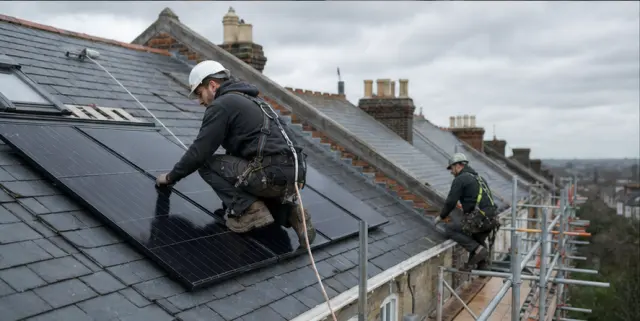
A panel count is not an energy strategy.
A good proposal explains what the array is expected to generate, how much may be used on site, what is likely to be exported and whether a battery changes that outcome enough to justify its cost.
Roof and planning
Assess roof condition, orientation, pitch, shading, conservation constraints and safe access.
Planning Portal guidanceElectrical design
Confirm inverter location, cable routes, consumer-unit implications and network notification or application.
MCS solar guidanceGeneration model
Use site-specific yield assumptions and an honest allowance for losses.
Request a solar assessmentBattery decision
Compare daytime use, time-of-use tariffs, export value and resilience expectations.
Battery storage guide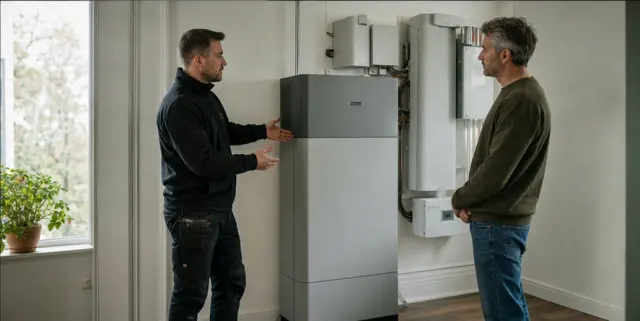
The same array can solve different problems.
A homeowner may prioritise bill reduction, electric-vehicle charging or future heat-pump demand. A landlord may place more weight on EPC strategy, asset value, tenant benefit and responsibility for exported electricity or shared supplies.
The design and contract should make ownership, maintenance, monitoring, warranties and tenant information explicit.
- ModelUse realistic occupancy and tariff assumptions.
- SpecifyState panel, inverter, mounting, monitoring and warranty information.
- CoordinatePlan around roof works, scaffolding and other energy upgrades.
Give solar panel installers the same brief.
State the roof, shading, electricity-use profile and objective: tenant bills, EPC planning, self-use or export. Ask each quotation to separate panels, inverter, access/scaffolding, electrical work, network steps, monitoring and warranties. Compare assumptions as well as the price.
For a rented home, agree ownership of the system, the account receiving export payments, maintenance access and the tenant handover. Model solar battery storage separately so its extra cost and benefit are visible.
Cucumber Eco provides the property-led assessment and coordination. Where a separate accredited contractor delivers the installation, that company must be named in the contract. Our advice is not a claim that Cucumber Eco holds the installer accreditation.
What to establish before committing
- Roof suitability and a site-specific generation estimate.
- Self-use, export, losses and degradation assumptions.
- Named installer, certification, full scope and warranty responsibility.
Start with the property brief, then compare suitable quotations and payment options.
Evidence first, then a defined next step.
Each stage should reduce uncertainty about the property, the technical scope, the funding or payment route and the party responsible for delivery.
Survey
Roof, shade, structure, electrics and consumption.
Model
Array size, generation, self-use, export and battery scenarios.
Approve
Planning, network and funding or finance checks where required.
Install
Safe access, commissioning, monitoring and handover.
Answers before you commit.
Direct information on suitability, cost, evidence and responsibility.
Yes. Solar PV produces electricity from daylight, not only direct sunshine. Annual output depends on the site and system design.
No. Solar can contribute to a property’s energy performance, but the final rating depends on the whole assessment.
Not automatically. A battery is valuable when the usage pattern, tariffs and resilience goal support it.
Customer finance may be available subject to status and lender approval. The total cost of credit should be considered alongside forecast savings.
Model the system before filling the roof.
A solar assessment should show the assumptions, not just the hardware.