Green mortgages reward energy efficient homes with lower rates, cashback or 0 per cent borrowing for improvements. This 2026 guide explains how they work, which lenders offer them, how much you can save, and the practical steps to lift your EPC and qualify.
Green mortgages have moved from a niche product to a mainstream part of the UK lending market in 2026. With the Warm Homes Plan setting a firm energy efficiency deadline for rented homes and lenders competing hard on rates, an energy efficient home is now worth real money at the mortgage stage. This guide explains what a green mortgage is, which lenders offer them, how much you can actually save, and the practical steps to qualify.
What a green mortgage actually is
A green mortgage is a home loan that rewards energy efficient properties. The reward usually comes in one of three forms: a lower interest rate than the lender's equivalent standard product, a cashback payment on completion, or interest free additional borrowing to fund energy saving improvements.
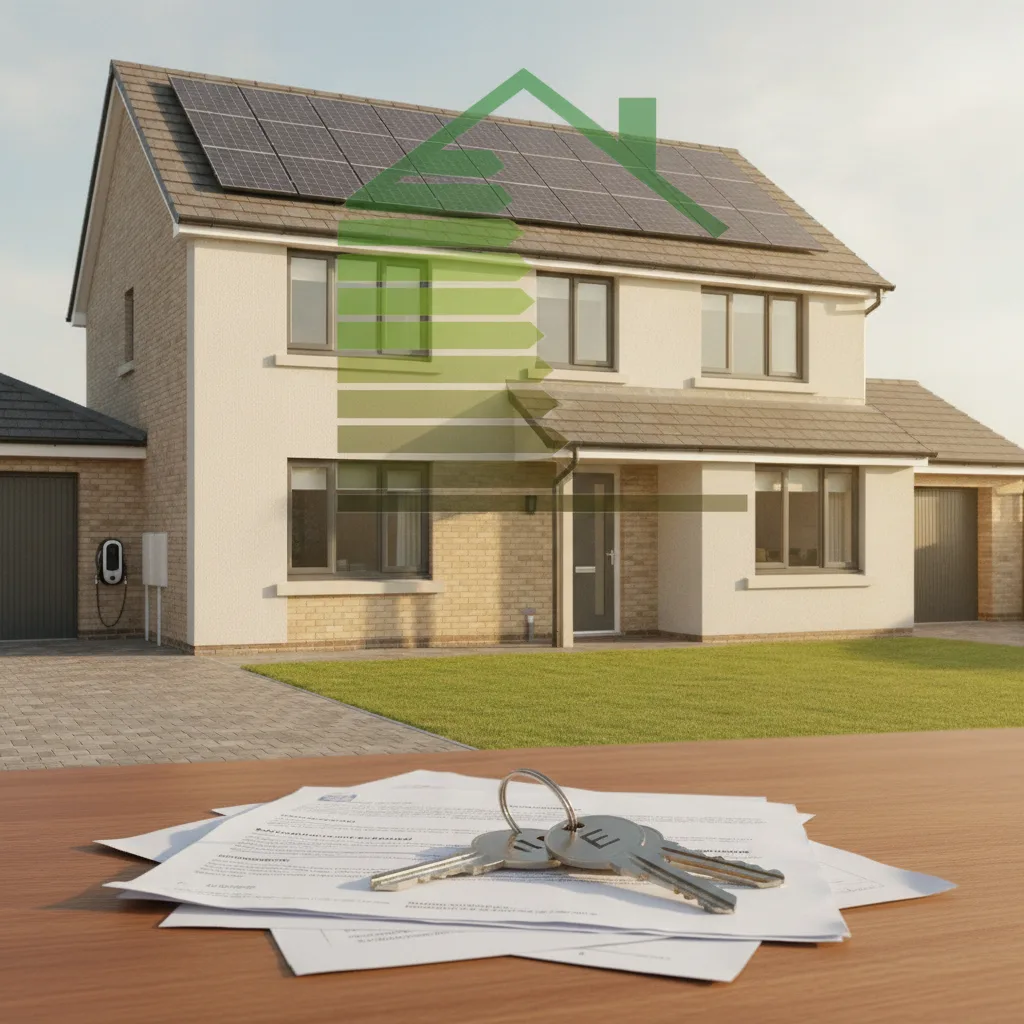
The link that ties all of these together is the Energy Performance Certificate. Lenders read your EPC rating to decide whether a property qualifies. Most premium green rates are reserved for homes rated A or B, although a growing number of lenders now recognise EPC C as well, usually with a smaller rate benefit.
The logic for lenders is straightforward. An efficient home costs less to run, which leaves the borrower with more disposable income and, in theory, a lower risk of missing payments. Efficient homes also tend to hold their value better as energy rules tighten, so the security behind the loan is stronger.
Why green mortgages matter more in 2026
Two things have pushed green mortgages up the agenda this year.
The first is regulation. The Warm Homes Plan, published on 21 January 2026, confirmed that all privately rented homes in England and Wales must reach at least EPC band C by 1 October 2030. This is the Minimum Energy Efficiency Standard, and it raises the bar from the previous EPC E requirement. A cost cap of £10,000 per property applies, replacing the older £3,500 limit. For landlords, an efficient property is no longer optional, and green finance is one way to fund the upgrades.
The second is methodology. The way energy performance is measured is changing. The current cost based Energy Efficiency Rating will be replaced by the Home Energy Model from 1 October 2029. Homeowners planning improvements now should keep this in mind, because the metrics that decide your rating are being redesigned.
Put simply, an efficient home is becoming both a legal expectation for rented property and a financial advantage for everyone else.
The three types of green mortgage explained
Lower interest rate products
These give you a discount on the headline rate compared with the lender's standard equivalent. The typical discount sits between 0.10 and 0.20 percentage points, although some products go further. On a £200,000 mortgage a discount of that size saves in the region of £300 a year, which adds up meaningfully over a five year fixed term.
Cashback products
Here the rate is broadly standard but you receive a lump sum on completion for buying or remortgaging an efficient home. Examples in the current market include Halifax paying £250 cashback for a property rated EPC A or B, and HSBC paying £500 for an A or B rated home. Cashback is simple and immediate, which suits buyers who want help with moving costs rather than a small ongoing saving.
Interest free additional borrowing
This is the most useful option for anyone planning to upgrade. Nationwide's Green Additional Borrowing lets existing mortgage customers borrow between £5,000 and £20,000 at 0 per cent interest for either two or five years, with no product fee, up to a maximum of 90 per cent loan to value. The money must go towards qualifying energy improvements such as solar panels, insulation or new windows. Borrowing at 0 per cent to fund an upgrade that also improves your EPC is one of the strongest plays available in 2026.
Which lenders offer green mortgages
Green products are now offered across the high street rather than by a handful of specialists. Lenders active in this space include Barclays, NatWest, Nationwide, Halifax, Lloyds Bank, HSBC, Santander and the Co-operative Bank.
The details differ by lender, so it is worth comparing on the specific benefit rather than the label. Some key points from the current market:
- Nationwide offers 0 per cent additional borrowing from £5,000 to £20,000 for qualifying improvements, and cashback of £500 where the EPC score is 92 or above.
- Halifax and Lloyds Bank have offered £1,000 cashback to customers who install solar panels with a certified installer.
- HSBC and Halifax both run cashback offers for homes already rated A or B.
- Barclays and NatWest compete mainly on discounted rates for efficient homes.
Because offers change frequently, always check the lender's current terms or speak to a mortgage broker before assuming a specific figure still applies.
How much can you really save
The honest answer is that it depends on your property, your loan size and which benefit you choose.
Rate discounts of 0.10 to 0.20 percentage points are real but modest. On a typical residential mortgage they translate to roughly £200 to £400 a year. The larger financial wins come from combining finance with genuine efficiency upgrades. If targeted insulation and heating improvements move a home from EPC D to EPC C, the household saves on running costs and can then access better remortgage rates, so the benefit compounds.
For landlords the maths can be sharper. On a buy to let mortgage, even a small rate reduction across a large loan can save £300 or more a year, and that sits on top of avoiding the penalties of failing the 2030 standard.
A word of caution on expectations. Upgrading an older, poorly insulated property to EPC A or B can be expensive, with full retrofits sometimes running to £20,000 or more. The financial case is strongest when you would be making some of those improvements anyway, or when 0 per cent borrowing removes the cost of funding them.
Green mortgages for landlords
Landlords have the strongest reason of anyone to pay attention this year. From 1 October 2030 a privately rented home in England and Wales must reach at least EPC C to be let, and the cost cap for compliance is now £10,000 per property. That is a hard deadline attached to a real cost, and it changes how the numbers work.
A green buy to let mortgage helps in two ways. First, the improvements needed to hit EPC C are often the same measures that qualify a property for a green product, so the same spend does double duty. Second, on a large buy to let loan even a modest rate reduction produces meaningful annual savings, which helps offset the cost of the works.
The practical route for landlords is to plan the upgrade and the finance together. Get a current EPC, identify the cheapest measures that move the rating, use available grants where the property and tenant qualify, and then remortgage onto a green product once the improved rating is registered. Leaving it until 2029 risks a rush of demand on installers and assessors, so acting earlier tends to be cheaper and less stressful.
Remortgage or new purchase
Green benefits apply both when you buy and when you remortgage, but the best move depends on your situation.
If you are buying, look for a property that already rates A to C so you qualify from day one, or budget for improvements you can make quickly after completion. If you are staying put, a remortgage is the natural moment to capture the benefit of upgrades you have already made. The sequence that works best for many owners is to improve the home first, register a fresh EPC that reflects the work, then remortgage so the new rating is on record when the lender assesses the property.
Timing matters because a green rate only helps if it beats the alternatives. Always compare the green product against the cheapest standard deal you could otherwise get, including all fees, and switch only if the total cost over the fixed term is genuinely lower.
How to improve your EPC to qualify
Because the EPC rating is the gatekeeper, improving it is the practical route to a green mortgage. The most cost effective measures for most homes are:
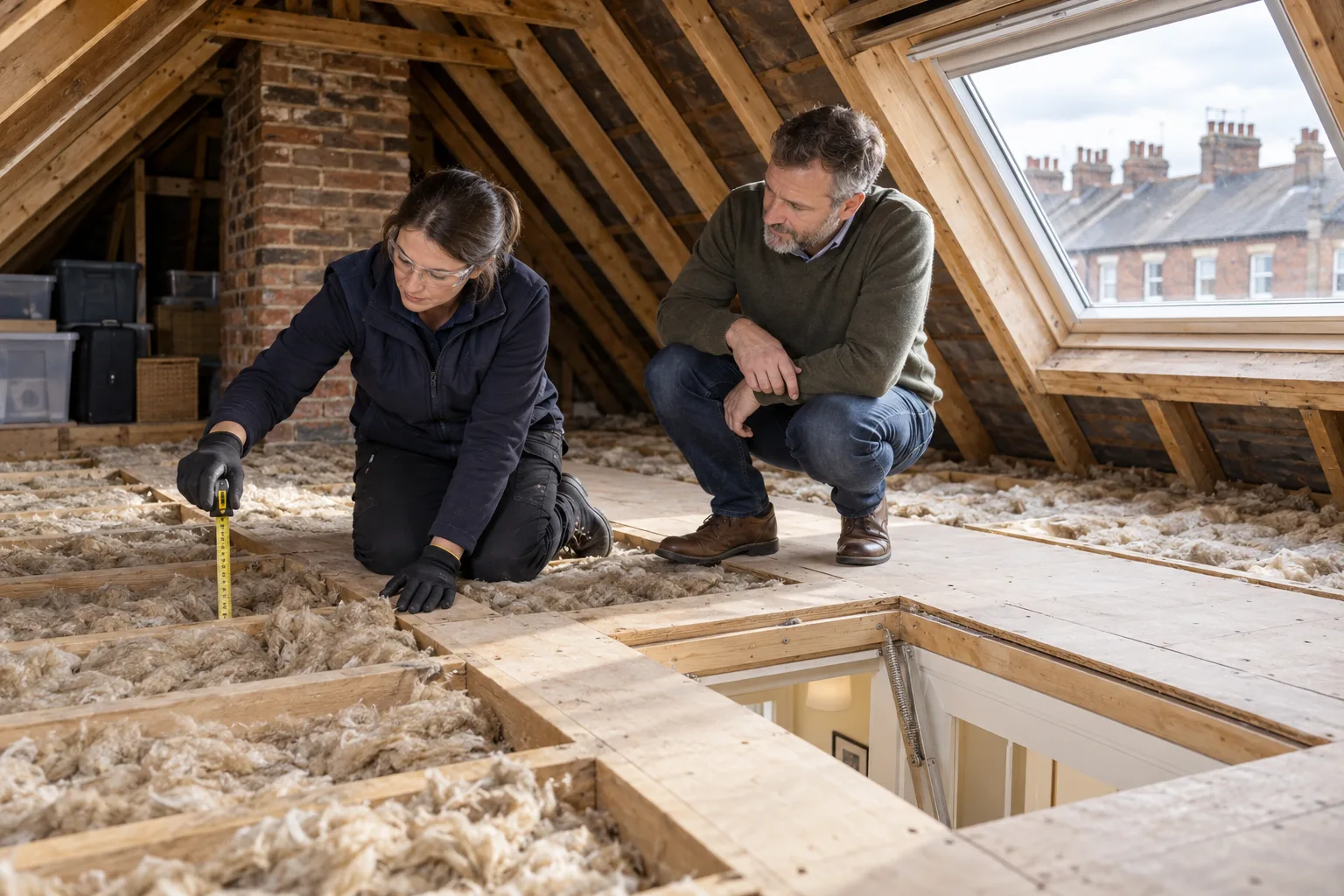
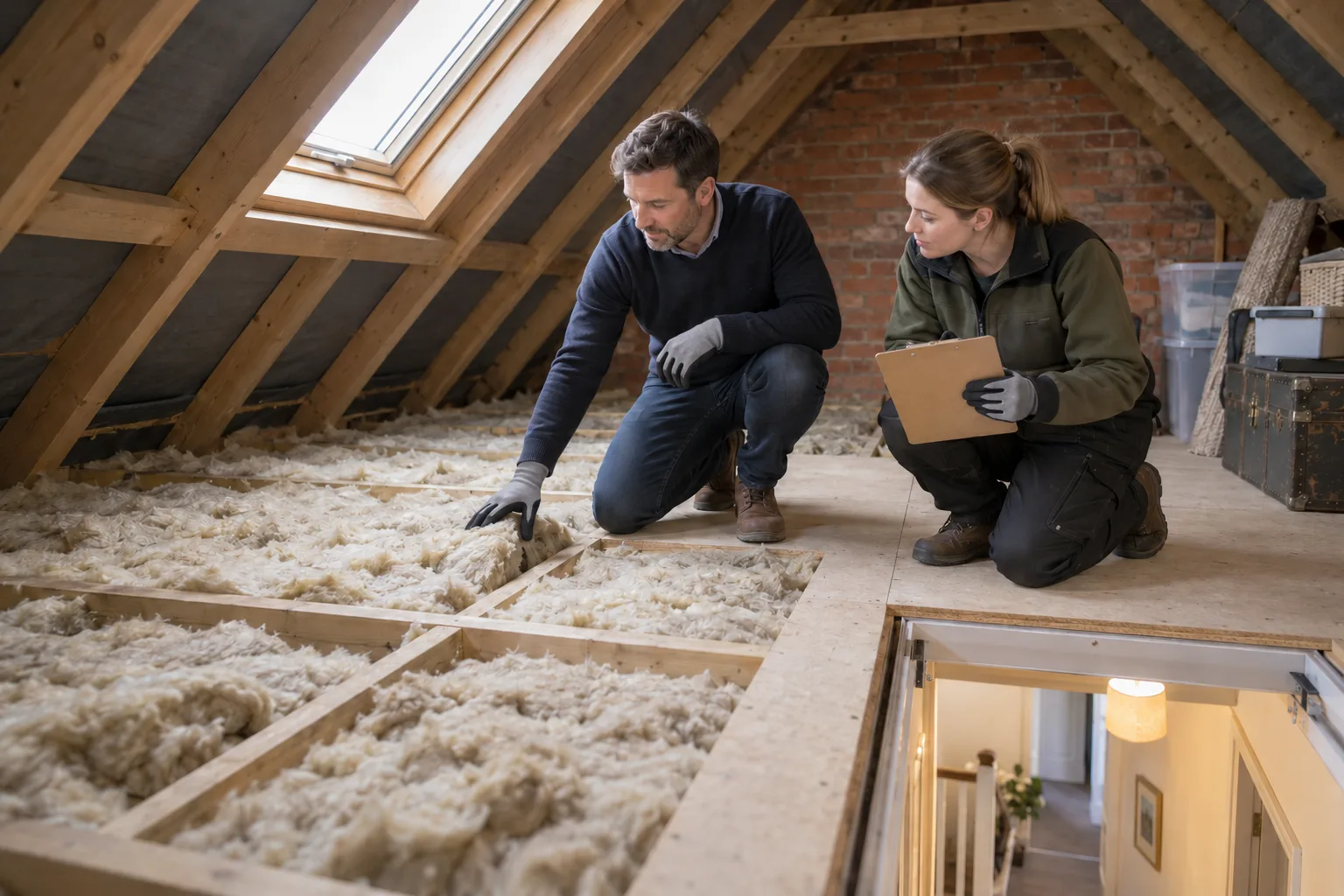
- Loft insulation topped up to the recommended 270mm, one of the cheapest ways to lift a rating.
- Cavity wall or solid wall insulation, depending on your construction type.
- Draught proofing around doors, windows and floors.
- A measure can affect the EPC score, but the starting certificate, building fabric, heating, evidence and assessment method determine the result. Model the particular property before promising a band change.
- Solar panels, which reduce imported electricity and can improve the rating while cutting bills.
The order matters. Fabric first, meaning insulation and draught proofing, then heating and generation. Improving the fabric before you install a heat pump keeps the system smaller, cheaper to run and more effective on your EPC.
Green mortgages and government support together
Green mortgages work best alongside the grants and schemes already available, not instead of them. The Boiler Upgrade Scheme reduces the upfront cost of a heat pump. The Warm Homes Plan and Warm Homes Local Grant provide funding for insulation and heating in eligible households. Where a grant covers part of the cost, 0 per cent green borrowing can fund the rest, and the improved EPC then unlocks a better mortgage rate.
For homeowners and landlords planning a wider retrofit, stacking these correctly can turn a large one off bill into a manageable, mostly funded project. Speaking to an installer who understands both the technical upgrades and the available grants makes this far easier to coordinate.
Common questions
Do I need an up to date EPC to apply
Yes. Lenders rely on a valid EPC to confirm the rating, so make sure yours is current and accurate. If you have made improvements since your last assessment, a fresh EPC may lift you into a qualifying band.
Are green mortgages only for new builds
No. New builds often qualify automatically because they tend to be highly efficient, but existing homes that have been upgraded, or that already rate A to C, can qualify too.
Is the rate discount always worth switching for
Not always. A small discount on a green product can still be beaten by a cheaper standard deal elsewhere. Compare the total cost including fees, not just the headline label.
Can I use green borrowing and a grant on the same project
Yes, and it is often the smartest approach. A grant such as the Boiler Upgrade Scheme can cover a large share of a heat pump, while 0 per cent green borrowing funds the balance and any supporting work like new radiators or a hot water cylinder. Just keep clear records of what each source paid for, as grant terms sometimes restrict how the funded work is described.
Will improving my EPC really change my rating enough
It depends where you start. A home already at high D or low C may only need one or two measures to cross into a qualifying band. A poorly insulated older property may need several measures working together. This is why a fabric first plan matters: insulation and draught proofing lift the rating and make any later heating upgrade more effective, so the money you spend counts twice.
The bottom line
Green mortgages in 2026 are no longer a marketing gimmick. With the EPC C deadline for rented homes confirmed for 2030, a measurement overhaul on the way, and every major lender now offering rate discounts, cashback or 0 per cent borrowing, energy efficiency has a clear cash value at the mortgage stage. The smartest approach is to treat efficiency upgrades, government grants and green finance as one joined up plan. Improve the fabric, use grants and 0 per cent borrowing to fund the work, lift your EPC, then remortgage onto the best rate your improved rating allows.
If you would like help planning the upgrades that will improve your EPC and open up better finance, our team can talk you through the options and the grants you may qualify for.
Factual corrections checked 11 September 2026. Original publication date retained.