
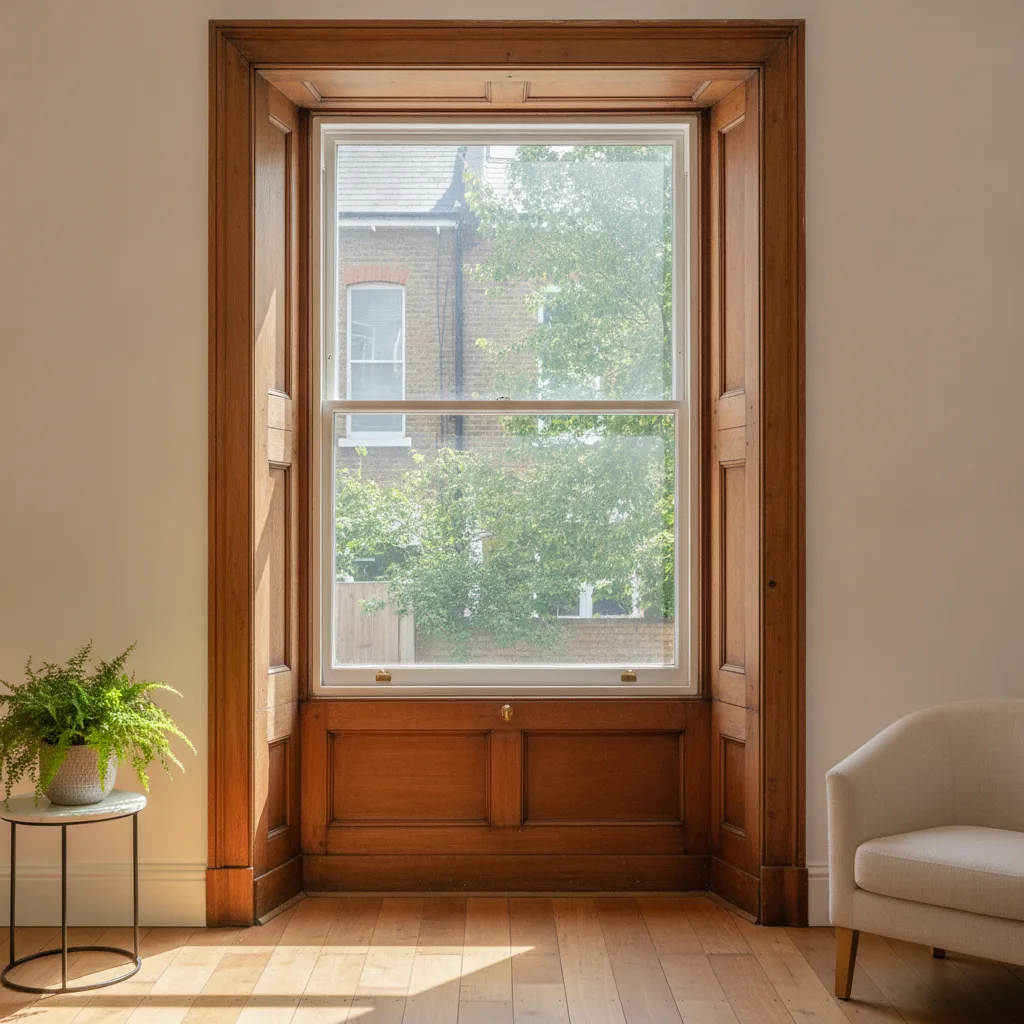
Secondary glazing fits a second pane inside your existing window frame rather than replacing it. This guide covers what it costs in 2026, how much heat and noise it reduces, how it affects your EPC rating, and which grant schemes may help fund it.
If you have single-glazed windows in your home, the glass itself is losing a significant amount of heat every winter. Replacing those windows entirely is one option, but it is expensive, disruptive and not always permitted. Secondary glazing offers a practical alternative: a second pane fitted inside the existing frame, reducing heat loss and draught without removing the original window.
This guide covers what secondary glazing costs in 2026, how much it can save on energy bills, what it does to your EPC rating, whether it qualifies for grant funding, and how it compares to full double glazing replacement.
What is secondary glazing?
Secondary glazing is a lightweight frame and glass panel fitted on the inside of an existing window. It sits independently of the primary window and creates an air gap between the two panes. That gap acts as a thermal barrier, slowing down the rate at which heat passes from inside your home to the cold glass surface outside.
Unlike replacement double glazing, secondary glazing does not remove or alter the existing window. The original frame, sash or casement remains in place. The secondary unit is fitted to the interior reveal or the existing frame, and can usually be removed or opened independently for ventilation and cleaning.
Secondary glazing panels come in several formats: sliding horizontal panels, vertical sliders for sash windows, hinged casement panels, and lift-out panels for windows that are rarely opened. The right type depends on the window size, how often it needs to be opened, and what level of access is needed.
How much does secondary glazing cost in 2026?
Based on current UK pricing data, the average cost of secondary glazing is between £275 and £400 per window for supply and professional installation. For a typical three-bedroom semi-detached house with around eight to ten windows, the total installation cost usually falls between £2,500 and £4,000.
The price varies depending on several factors:
- Window size and shape. Larger or non-rectangular windows cost more.
- Type of panel. Lift-out panels are cheaper than sliding or hinged units.
- Frame material. uPVC frames are typically more affordable than timber.
- Location in the UK. London and the South East tend to attract a premium.
- Access requirements. High floors or bay windows can add to the overall price.
For comparison, full double glazing replacement typically costs £350 to £600 per window, or £4,000 to £6,000 for a whole house. Secondary glazing is roughly 30 to 40 percent cheaper per window in most cases, and the installation is far less disruptive since no structural work is involved.
How much heat do you lose through windows?
Windows and doors together account for roughly 18 to 25 percent of the heat lost from a typical UK home, according to the Energy Saving Trust. In older properties with single-glazed timber sash windows, the proportion sits at the higher end of that range because the glass is thin, the frames are often draughty, and the U-value is very high.
A single-glazed window in a wooden frame typically has a U-value of around 4.8 W/m2K. That means heat passes through it quickly. Secondary glazing can bring that U-value down to between 2.2 and 2.9 W/m2K depending on the type of unit and the width of the air gap. That roughly halves the rate of heat loss through the glass.
By comparison, a standard double-glazed unit achieves a U-value of around 1.6 to 2.0 W/m2K. Secondary glazing does not quite match the very best modern double glazing, but for many older windows the improvement is substantial and the installation is far simpler.
How much can secondary glazing save on energy bills?
The Energy Saving Trust estimates that a homeowner in a semi-detached property with single-glazed windows can save around £195 per year by fitting secondary glazing across the house. For larger detached homes, annual savings of £150 to £300 are commonly cited, depending on the heating system, how many windows are treated, and how draughty the original frames are.
If the windows are particularly draughty, the savings can be higher. Secondary glazing dramatically reduces cold air infiltration as well as conductive heat loss through the glass itself. In Victorian and Edwardian terraces with poorly fitting sash windows, reducing draught is often responsible for as much of the energy saving as the improved glazing U-value.
Homes that heat more rooms more consistently tend to see the biggest return. At current energy prices, a household spending £1,500 or more annually on heating in a single-glazed property can reasonably expect secondary glazing to reduce that bill by 10 to 20 percent, depending on the proportion of heat lost through windows.
How does secondary glazing affect your EPC rating?
Fitting secondary glazing can improve your EPC rating, typically by moving the property up one to two bands where the starting point is low and the windows are a significant source of heat loss. The Standard Assessment Procedure (SAP), which underpins EPC calculations, takes account of the U-values of windows when calculating the overall energy efficiency score. Reducing the U-value of single-glazed windows improves the SAP score.
The confirmed policy for covered private rentals in England and Wales is a higher EPC standard by 1 October 2030 for all tenancies, with legislative changes subject to Parliamentary approval. The previous 2028 new-tenancy proposal is not the confirmed timetable. See the government response and our landlord requirements guide.
The exact improvement will depend on the SAP assessor's calculation for the specific property. If secondary glazing is combined with other improvements such as loft insulation or a new heating control system, the combined effect on the EPC score will be more pronounced.
Secondary glazing versus double glazing
Secondary glazing and full double glazing replacement both reduce heat loss through windows, but they suit different situations.
Double glazing replaces the entire window unit. The old frame is removed and a new sealed double-glazed unit is fitted in its place. The thermal performance is generally better, and the finished result is neat and self-contained. The cost is higher and the installation is more disruptive.
Secondary glazing leaves the original window in place. A second pane is added on the inside. The thermal performance is slightly lower than the best modern double glazing, but the cost is significantly less and the installation is much simpler.
There is also a noise reduction difference worth noting. Secondary glazing with a wider air gap of 100mm or more performs better for sound insulation than standard double glazing, which typically has a gap of 16 to 20mm between panes. For properties near busy roads, airports or railways, secondary glazing is sometimes chosen specifically for acoustic reasons.
When secondary glazing makes more sense than full replacement
Secondary glazing is often the more practical choice in several situations:
- Where original windows are historic or architecturally significant. Replacing a Victorian sash or an original Edwardian casement may not be permitted or may be undesirable. Secondary glazing preserves the original and adds insulation without altering the character of the property.
- Where the existing frames are structurally sound but the glass is single glazed. Replacing the entire window when the frame is perfectly good is wasteful. Secondary glazing addresses the thermal weakness without discarding the frame.
- Where budget is limited. Secondary glazing typically costs 30 to 40 percent less per window than full replacement double glazing.
- Where the property is rented out and the landlord needs to improve the EPC without major building works.
- Where acoustic performance matters as much as thermal performance.
Secondary glazing and listed buildings
For homes that are listed or in conservation areas, replacing original windows with modern double glazing usually requires listed building consent or conservation area approval. In many cases, local planning authorities will not grant permission at all, because the original windows are considered part of the historic character of the property.
Secondary glazing is usually permitted without consent because it is reversible and does not alter the external appearance of the building. Planning guidance in England recognises secondary glazing as an appropriate solution for improving thermal performance in listed buildings where window replacement is not acceptable.
It is always sensible to check with your local planning authority before proceeding, even for secondary glazing, particularly if any part of the installation would be visible from outside. Most installations involve nothing visible from the street and therefore attract no planning concerns.
Secondary glazing for landlords in 2026
The confirmed policy for covered private rentals in England and Wales is a higher EPC standard by 1 October 2030 for all tenancies, with legislative changes subject to Parliamentary approval. The previous 2028 new-tenancy proposal is not the confirmed timetable. See the government response and our landlord requirements guide.
For buy-to-let properties in conservation areas or with listed status, secondary glazing may be the only practical window improvement available. For other properties, landlords should weigh the cost of secondary glazing against full replacement, taking into account the EPC points gained and whether the original frames have remaining useful life.
Landlords who own properties in England with tenants on low incomes or means-tested benefits may be eligible for support through the Warm Homes Local Grant. The scheme covers certain window measures, though eligibility for secondary glazing specifically should be confirmed with the local council. Further detail on grant eligibility is in the section below.
Can you get a grant for secondary glazing in 2026?
Warm Homes Local Grant is delivered by councils in England for qualifying households in privately owned D-to-G homes. A survey determines suitable measures and the council decides the funded package; a headline scheme budget is not a personal grant entitlement. Landlords may need to contribute. Check the official eligibility route and current alternatives.
The published eligibility lists for the Warm Homes Local Grant specifically name double glazing and triple glazing as covered measures. Secondary glazing is not explicitly confirmed in the primary GOV.UK guidance documents reviewed for this article. If you are considering secondary glazing and believe you may meet the eligibility criteria, it is worth asking your local council directly whether secondary glazing qualifies under their specific delivery arrangement, as local authorities have some discretion in how they apply the funding.
For Scotland, the Home Energy Scotland scheme offers grant and loan support for energy efficiency measures. Contact Home Energy Scotland on 0808 808 2282 for advice on whether window improvements qualify under current Scottish eligibility rules.
The Boiler Upgrade Scheme (BUS), which provides £7,500 towards heat pump installations, does not cover window or glazing upgrades. If you are also considering a heat pump, a heat loss survey can help establish whether the property's insulation and window performance are sufficient to make the heat pump run efficiently.
There is no standalone national grant in England that covers secondary glazing specifically. The most effective route is to contact your local council and ask about Warm Homes Local Grant delivery in your area.
Is secondary glazing VAT exempt?
No. Secondary glazing, double glazing and replacement windows are charged at the standard rate of 20 percent VAT. GOV.UK VAT Notice 708/6 expressly lists secondary and double glazing as standard-rated. The 0 percent VAT rate that applies to insulation, solar panels and heat pump installations does not extend to windows or glazing.
This is different from loft insulation or cavity wall insulation, where the 0 percent VAT rate applies to professionally installed work until 31 March 2027. When budgeting for secondary glazing, factor in the full 20 percent VAT on supply and installation costs.
Does secondary glazing need planning permission?
In most cases, no. Secondary glazing fitted on the inside of an existing window does not alter the external appearance of the building and does not require planning permission for most properties under permitted development rights.
For listed buildings and properties in conservation areas, the position is generally the same: internal secondary glazing is usually acceptable without listed building consent because it is reversible and does not affect the character of the original window when viewed from outside. Confirmation from your local planning authority is still sensible before committing to the work, particularly in sensitive heritage settings.
How to choose a secondary glazing installer
There is no specific accreditation scheme for secondary glazing installers equivalent to MCS certification for heat pumps. When choosing an installer, check whether they are a member of a recognised trade body such as the Glass and Glazing Federation (GGF) or are registered with FENSA, the fenestration self-assessment scheme.
Get at least three written quotes and ask each installer to confirm the U-value of the units they propose to supply. Ask about the air gap between the primary and secondary glazing. A gap of around 100mm provides better thermal performance than a narrower one, and significantly better acoustic performance.
Low-E glass in the secondary unit reduces radiant heat transfer and can further improve the U-value of the combined system. Ask for a written specification covering frame material, glass type, hardware and guarantee period. Most reputable secondary glazing systems carry a manufacturer guarantee of ten years or more.
Is secondary glazing worth it in 2026?
For most homes with single-glazed windows, secondary glazing offers a practical combination of thermal improvement, EPC benefit and installation ease at a lower cost than full window replacement.
The payback period depends on the property. At savings of around £195 per year and a total installation cost of £3,000, a straightforward payback calculation suggests around 15 years. However, EPC improvements, reduced draught, acoustic benefits, and the protection of original frames all add to the value beyond the headline energy saving figure.
For listed properties, conservation area homes, or any property where replacing the original windows is not feasible, secondary glazing is often the only practical route to meaningfully improving window performance. For those properties, the case for secondary glazing does not rest solely on payback period.
If you are unsure whether secondary glazing, loft insulation or a heating upgrade would deliver the biggest improvement for your specific property, a heat loss survey is a useful starting point. It identifies where your home is losing heat and helps you prioritise the measures that will make the most difference. You can find out more about heat loss surveys and home energy grants at cucumbereco.co.uk.
Factual corrections checked 11 September 2026. Original publication date retained.