An electric shower can affect an EPC because the assessment records shower type and the wider hot-water system. Learn what landlords should check before changing it.
Yes, an electric shower can affect a domestic EPC rating because it heats water as the shower runs and is treated differently from a mixer shower supplied by the property’s main hot-water system. The direction and size of any effect depend on the dwelling, its water-heating fuel and the rest of the EPC inputs. There is no universal point change.
For a landlord with a D-rated rental, that makes the shower worth checking but not worth replacing on guesswork. A different shower may need new plumbing, suitable water pressure, electrical work or a different cylinder arrangement. The cheapest credible route to C may lie elsewhere in the property.
Start your free EPC assessment to compare the lodged certificate with the installed bathroom and hot-water system before paying for a change.
The short answer: shower type is part of the hot-water calculation
A domestic EPC is a standardised assessment of the building and its fixed services. The government guide to domestic EPCs explains that the calculation considers the property’s fabric and systems rather than simply copying a tenant’s bills or habits.
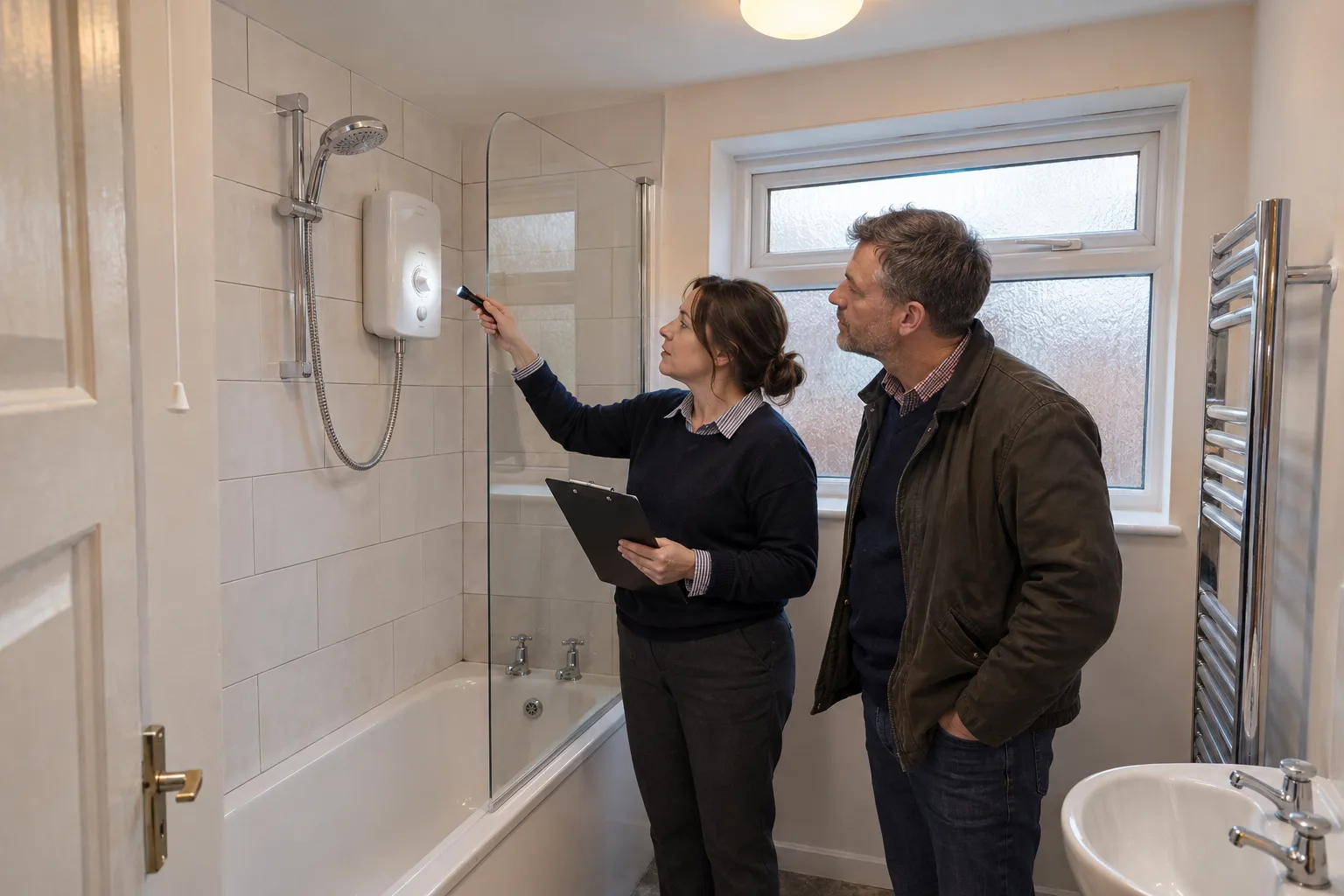
Under the current Reduced Data Standard Assessment Procedure, or RdSAP, an electric shower means a unit that heats cold water using electricity as the shower runs. A mixer shower instead receives hot water from a boiler, heat pump or immersion-heated cylinder and mixes it with cold water.
That distinction connects the shower to the property’s water-heating calculation. It does not mean an electric shower is automatically “bad” or a mixer shower automatically earns a particular score. The model considers the standardised energy cost of the applicable arrangement alongside the rest of the dwelling.
What the assessor records
The current RdSAP 10 specification records the number of showers, the number that are mixer showers and the number of baths. It also records the main water-heating source and relevant cylinder, immersion, meter and control details. Solar-water-heating and waste-water heat-recovery inputs can add further shower information where those systems are present.
The assessor therefore needs to identify the permanent arrangement on site, including:
- whether each shower heats cold water directly or receives hot water from another system;
- whether a shower over a bath is a permanent mixer arrangement rather than a temporary attachment;
- what supplies the taps and any mixer shower: boiler, heat pump, immersion cylinder or another fixed source;
- the number of showers and baths in the dwelling;
- relevant cylinder, immersion and electricity-meter details where hot water is stored;
- any recognised waste-water heat-recovery system and the showers connected to it.
These are installed-property inputs. A tenant taking short showers may reduce real consumption, but their routine does not substitute for the standardised EPC record.
Electric and mixer showers are not interchangeable
The current RdSAP conventions v12.2 define a mixer shower as one supplied with hot water by a boiler, heat pump or immersion heater. If the only water heater in the dwelling is an electric shower, the conventions say it is specified as electric instant water heating.
A shower supplied from an electrically heated cylinder is still classed as non-electric for the shower-type question, because the water is not heated inside the shower unit as it runs. That is easy to misunderstand when both arrangements ultimately use electricity.
A shower attachment on bath taps is not automatically treated as a permanent mixer shower. The conventions include physical conditions such as a fixed bracket at least 1.5 metres above the plughole and a shower curtain or screen. The assessor should apply the current definition rather than a landlord choosing the preferred label.
Will replacing an electric shower improve the EPC?
It may change the result, but the answer is property-specific. A mixer shower uses the home’s existing hot-water source, so the comparison depends on that source, its fuel and efficiency, any cylinder losses and the wider system. A gas-combi property presents a different calculation from an all-electric flat with an immersion cylinder.
The number of points also depends on the starting score. A small modelled change can matter to a property close to the C boundary and make no band difference to a lower D. It is unsafe to quote a universal gain from changing the shower type.
The practical cost can outweigh the modelled benefit. A mixer shower may require suitable stored-water pressure, a different cylinder, pipework or a compatible boiler or heat pump. Replacing an electric unit may also involve a high-powered bathroom circuit that must be left safe. The NICEIC electric-shower guide explains the distinction between an instantaneous electric unit and a conventional mixer shower and the need for appropriate electrical installation.
Check the wider hot-water system before spending
The shower is one part of the domestic-hot-water decision. If the property has an immersion cylinder, review the immersion-heater EPC guide for the separate questions about single or dual immersion, meter type, cylinder insulation and controls. A change that improves one input can still be poor value if it requires an unsuitable cylinder or creates a worse tenant experience.
For an electric-heated flat or house, the all-electric rental EPC C guide covers the main heating, tariff structure, hot water and fabric together. The shower should not be treated as the only reason an electric property is D-rated.
Actual bills can help a landlord understand running costs and tenant experience, but they do not directly set the standardised score. The guide to whether energy bills affect an EPC explains that distinction.
Evidence to gather before a new EPC
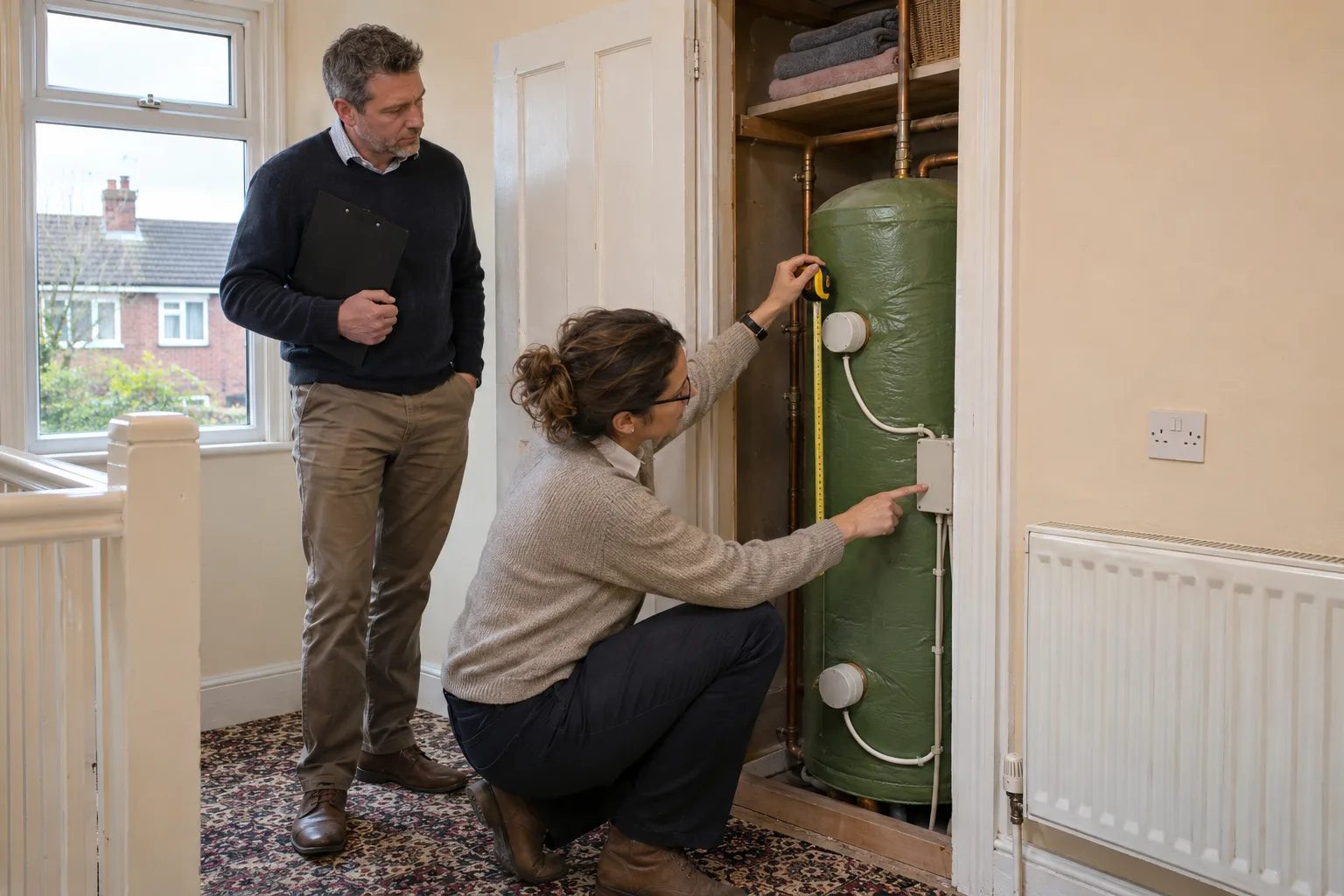
Photograph the shower unit in context, the pipework that shows whether it is cold-fed or mixed, and any accessible controls without removing covers. If a cylinder or boiler supplies a mixer shower, keep the relevant installation and manufacturer records. If a recognised waste-water heat-recovery system is present, retain its exact make, model and commissioning information.
Do not ask a tenant to remove or conceal equipment for the survey. The assessor needs the permanent installed arrangement. If the existing certificate appears wrong, share the evidence with the assessor and follow the accredited correction or reassessment route.
Evidence helps the assessor apply the current method; it does not update the register by itself. Only a completed assessment lodged by an accredited assessor changes the official certificate.
A landlord decision checklist
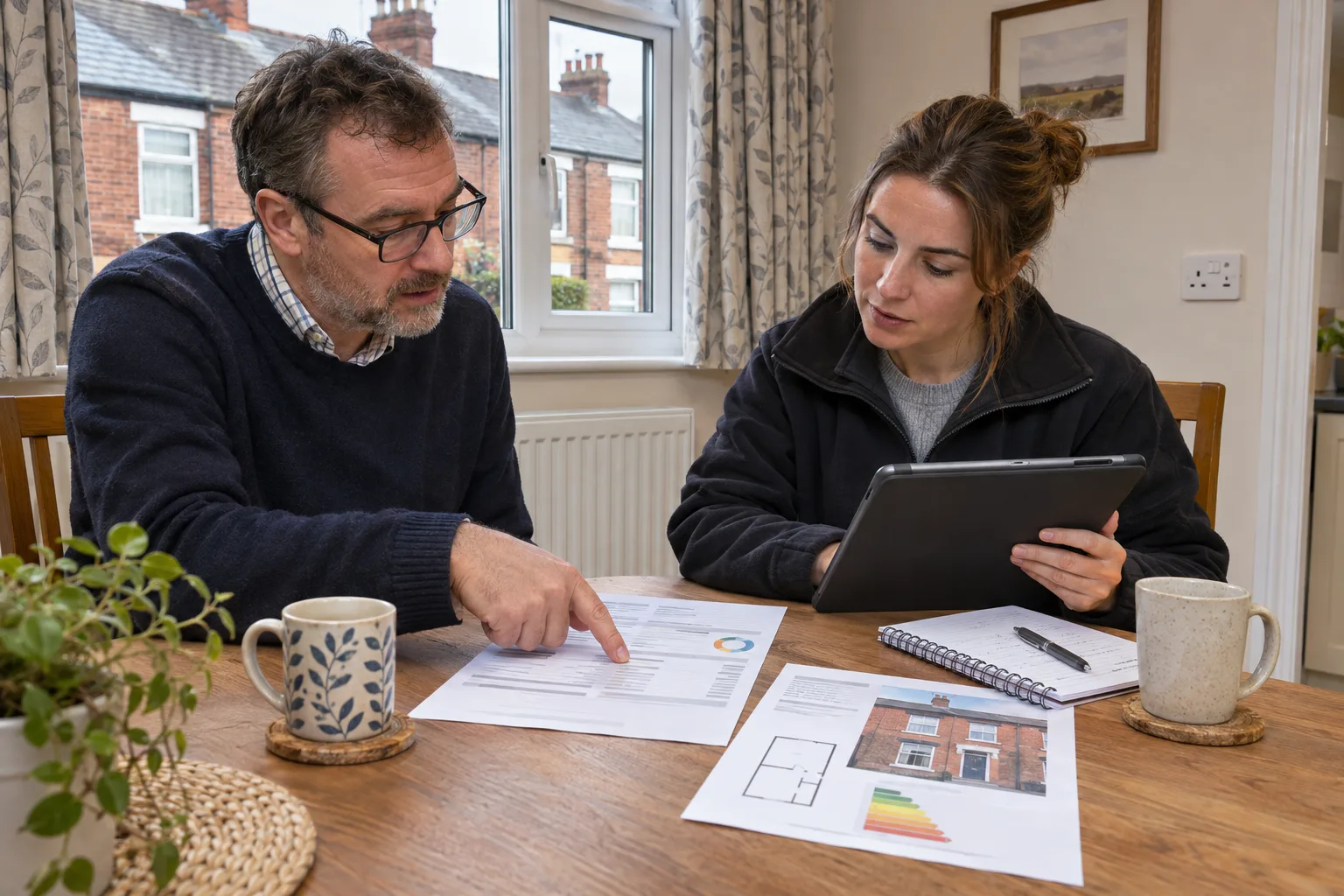
- Download the latest certificate from the official energy-certificate register and note the score, water-heating description and recommendations.
- Identify every fixed shower. Separate instantaneous electric units from permanent mixer showers supplied by the dwelling’s hot-water system.
- Confirm the hot-water source. Check the boiler, heat pump, immersion cylinder, meter and controls that sit behind any mixer shower.
- Gather safe, accessible evidence. Photograph the installed arrangement and retain product or commissioning records without opening electrical equipment.
- Check the full D-to-C gap. Review the main heating, fabric, glazing, floor area and material assumed or not-inspected entries.
- Model options before spending. Compare an accurate evidence route, a shower change and other credible measures against their real installation cost and disruption.
- Use qualified contractors for any accepted work and an accredited assessor for the lodged EPC.
The landlord EPC evidence guide helps organise the property record. The evidence-first D-to-C plan then helps compare the score gap with the available routes.
Flats and leasehold rentals need an extra check
Electric showers are common in flats because they provide hot water independently of a boiler or cylinder. That can be practical, but a replacement plan may involve lease terms, shared services, limited cylinder space or freeholder consent for associated works.
Use the leasehold flat EPC C checklist to separate improvements inside the flat from work that affects communal or external parts. Cucumber Eco can assess the route, but electrical and plumbing installations must be delivered by appropriately qualified contractors.
Current rules and the 2030 landlord standard
Current domestic MEES landlord guidance says covered private rentals in England and Wales must currently meet EPC E unless a valid exemption applies. This article is practical assessment information, not legal advice.
Separately, the government response on the higher private-rented standard confirms a 1 October 2030 compliance date and recognition for a current-style EER C lodged before 1 October 2029 until that EPC expires or is replaced. Reformed EPCs will use new headline metrics. The precise effect of an individual shower product under the final Home Energy Model EPC method should not be presented as settled before the remaining implementation detail is final.
For a D-rated property today, the useful commercial question is not “which shower scores best?” in isolation. It is whether the current record is accurate and which combination of evidence and proportionate measures offers the lowest-cost credible route to C.
Landlord decision summary
- An electric shower can affect the EPC because it heats water as the shower runs and is distinguished from a mixer shower.
- The direction and size of the effect depend on the wider hot-water system and the rest of the dwelling.
- A shower fed from an immersion cylinder is classed as a mixer shower for this purpose, not as an instantaneous electric shower.
- Tenant habits and bills do not replace the standardised property inputs.
- Model a bathroom or hot-water change before committing to electrical, plumbing or cylinder work.
- Only a lodged assessment changes the official certificate.
Start your free EPC assessment if you want the shower, hot-water system and wider D-to-C evidence checked together.
Primary sources checked
This guide was checked on 25 November 2026 against the live RdSAP 10 specification dated 7 June 2026, RdSAP conventions v12.2 applicable from 6 August 2026, the government domestic EPC guide, the official certificate register, current domestic MEES guidance, the government response on the higher private-rented standard and NICEIC guidance on electric-shower systems and installation.
Frequently asked questions
These answers cover the most common landlord decisions about electric showers and the current domestic EPC method.
Does an electric shower lower an EPC rating?
It can affect the calculation, but it does not have a universal effect. The comparison depends on the property’s alternative hot-water source, the wider system and the starting score. Ask for property-specific modelling before assuming it lowers the band.
Is a shower fed from an immersion cylinder an electric shower for the EPC?
Not for this classification. The current conventions treat a shower supplied from a hot-water cylinder as non-electric, even when electricity heats the cylinder. An electric shower heats cold water inside the unit as the shower runs.
Will changing to a mixer shower get a D-rated property to C?
It might alter the score, but it cannot be promised to deliver C. The outcome depends on the hot-water source, the rest of the dwelling and the number of points required. Plumbing, pressure and cylinder changes can also affect cost and suitability.
Do shorter showers improve the EPC score?
Shorter showers may reduce actual energy and water use, but the domestic EPC uses standardised assumptions so properties can be compared consistently. Tenant behaviour does not directly replace the assessor’s installed-system inputs.
Does replacing an electric shower update the EPC automatically?
No. Keep the installation evidence, then use an accredited assessor to record the completed arrangement and lodge a new EPC where appropriate. The equipment change alone does not alter the official register.